
Records and information 4 min read
Records That Explain Council Decisions
Capture the reasons, approvals and evidence behind council work so records stay useful and defensible.
Published
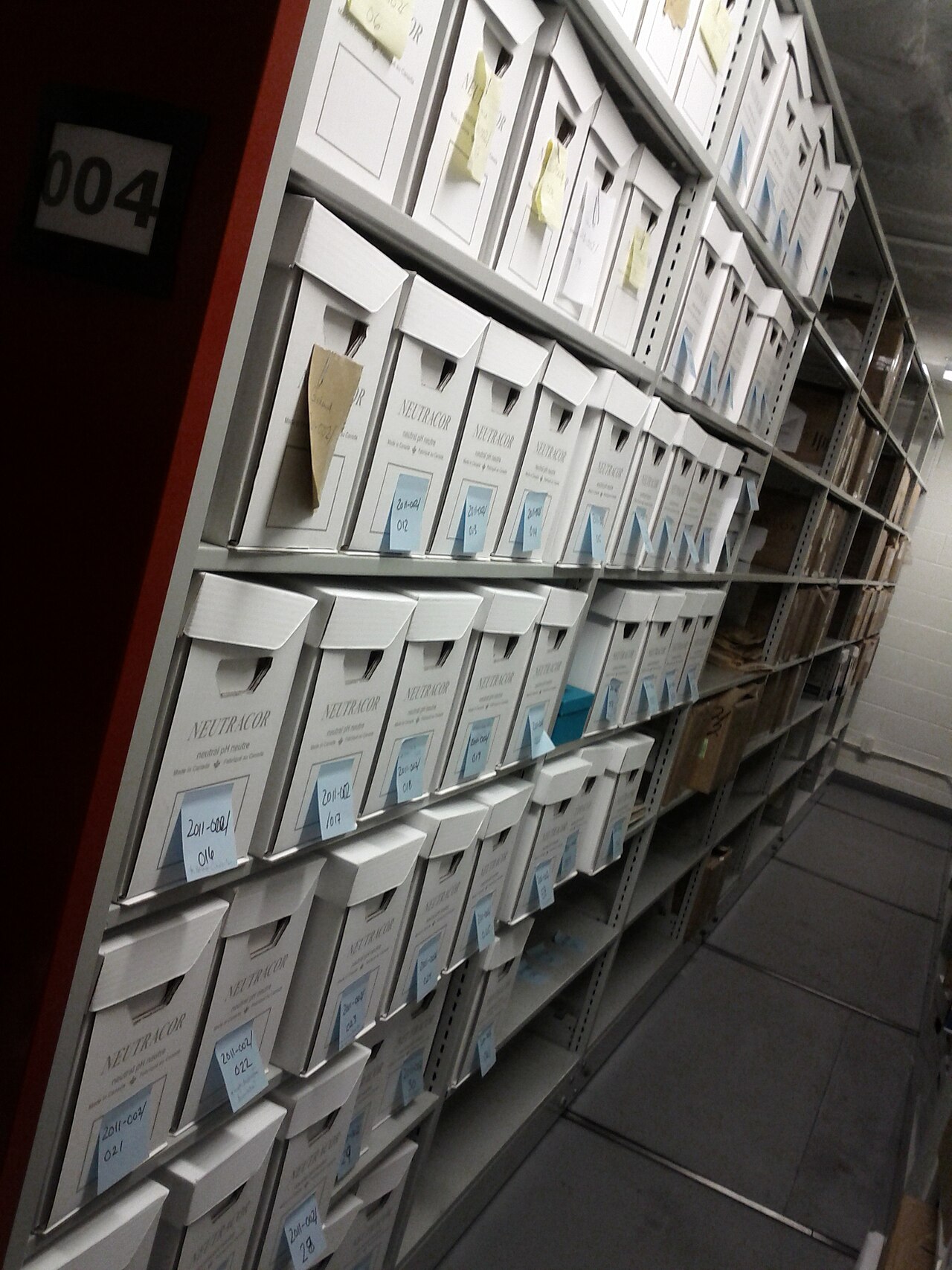
Council records are the evidence behind services, approvals, spending and public decisions. Their value is most obvious when a matter is questioned months or years later: what was known, who decided, under what authority and why? State Records NSW regulates recordkeeping for NSW public offices, including local councils. Good records therefore support daily work as well as accountability.
Capture the decision, not just the final document
A signed letter or adopted minute is important, but it may not explain the reasoning that led to it. A complete decision trail can include the request, assessment, advice, consultation, alternatives considered, approval, conditions and subsequent changes. The amount of detail should match the risk and significance of the activity. Staff should know which system is the official record and when to capture a conversation that would otherwise leave no trace.
Consider a disputed drainage request. If the file contains only a final email, a future officer may not know whether the council inspected the site, considered downstream impacts or explained its decision to the resident. A short inspection note, dated photographs, the assessment and the response together tell a more useful story.
Make recordkeeping part of normal work
People are more likely to create reliable records when the process fits the task. Build prompts into forms and workflows: case identifier, date, location, decision-maker, authority, reasons, attachments and follow-up action. Give field teams a way to upload photographs and notes from a mobile device into the official system. Teach staff to distinguish personal notes from council records and to move important information out of individual inboxes.
State Records NSW's guidance on creating and capturing records explains why email and other messages created in official business may need to be managed as records. Its recordkeeping FAQ also addresses electronic minutes and messages. Training should use the communication channels staff actually use, including collaboration tools and mobile messaging, rather than discussing only paper files.
Protect access without losing the record
Retention, privacy and public access are related but different decisions. Staff should not delete a record merely because it contains sensitive information. Instead, capture it securely, apply appropriate permissions and seek advice on any disclosure request. The Information and Privacy Commission NSW explains the Information Protection Principles that apply to NSW councils when handling personal information.
Disposal also requires the right authority. The FA450 local government records authority identifies records that must be kept as State archives and gives approval for disposal of other classes after minimum periods. Staff should use the current authority and council process, not a self-invented retention rule or an old folder label.
Train with real examples and review the result
Give teams anonymised cases and ask them to assemble a decision trail. Then check whether another officer could understand the matter without interviewing the original author. A useful quality review tests completeness, discoverability, access controls and the ability to link a record to its business activity. If the record is hard to find, it may be functionally absent when council needs it.
A recordkeeping prompt for every significant decision
- What was requested or observed?
- What information and advice informed the decision?
- Who made or approved it, and under what authority?
- What reasons and conditions were communicated?
- Where is the record stored, and who should be able to access it?
- What retention or disposal rule applies?