
Work health and safety 4 min read
Safer Field Operations: From Hazard Lists to Daily Controls
Make risk controls useful for crews working on roads, parks, drainage and other public spaces.
Published
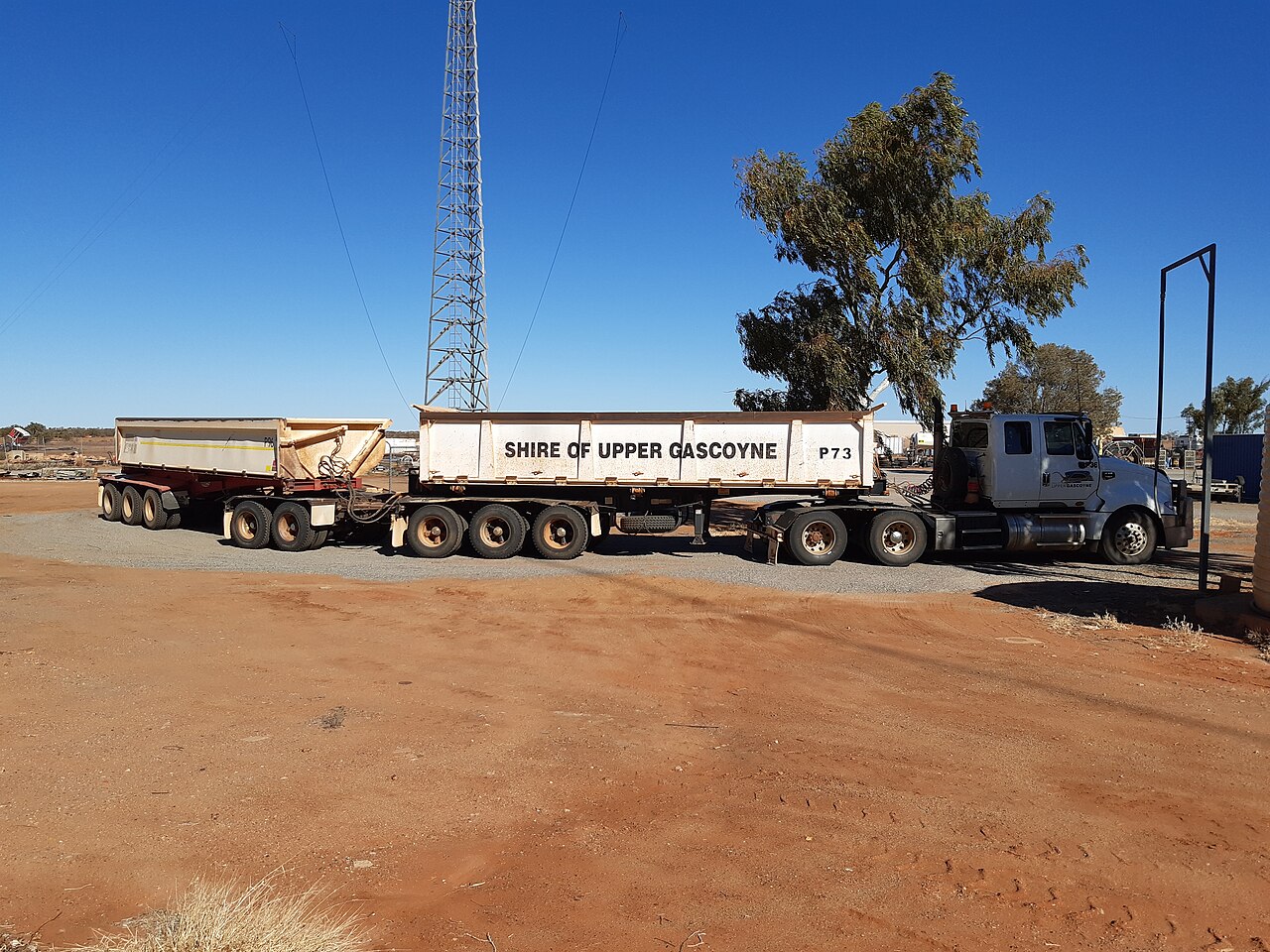
Council field crews work in changing places: a road shoulder in the morning, a park after lunch and a drainage site when weather turns. A single risk register cannot describe every condition they will meet. The aim is to connect planned controls with what workers see on arrival, and to give supervisors a clear way to stop, adapt and review work. SafeWork NSW's risk-management guidance and its approved codes of practice are the starting points for council procedures.
Design controls around the task, not the document
Describe the work in stages: travel and arrival, site set-up, the task itself, interaction with the public, pack-down and departure. Hazards can change between stages. A crew repairing a footpath may face moving traffic, plant, pedestrians, underground services, noise and a sudden storm. Ask what could harm workers or others, what controls are already in place and what would make those controls fail.
Use the hierarchy of controls when choosing measures. Eliminating a hazard or changing the method of work is generally stronger than relying on a warning sign or personal protective equipment alone. For example, closing a work area to the public and arranging an alternative route may reduce exposure more reliably than asking pedestrians to walk around operating plant. The specific control must suit the site and the council's approved procedures.
Make the pre-start discussion specific
A good pre-start is brief enough to use and detailed enough to change behaviour. The supervisor should confirm the work method, identify today's changes, allocate roles and ask workers to speak up about what the plan missed. A useful prompt is: "What is different here from the last job?" The answer could be a school nearby, soft ground, a new subcontractor or an asset location that does not match the drawing.
For plant and vehicle work, check separation between people and moving equipment, visibility, communication signals and the condition of the equipment. For isolated tasks, confirm contact arrangements and the point at which a worker must seek help. For excavations or underground work, verify service information and required controls before breaking ground. Training should include practice with the council's actual equipment and sites, not only generic slides.
Give crews permission to revise the plan
The work method should explain who can pause a job and who authorises a changed control. If a traffic arrangement cannot be installed as designed, continuing under the original paperwork does not make the site safe. Workers need a simple escalation route and a way to record the revised decision. A near miss should trigger learning about the system, not just a reminder to be careful.
Supervisors can test control quality by observation. Are barriers where the plan says they should be? Can a worker explain the exclusion zone? Can members of the public pass without entering the work area? If the answer is no, the control has not been made operational.
Review the pattern across jobs
After work, capture exceptions: unexpected services, equipment faults, public interactions and controls that were difficult to use. Look for repeated themes across crews. If workers often improvise around a particular requirement, the procedure, resources or training may need redesign. The SafeWork NSW codes of practice collection includes specific guidance relevant to plant, traffic, fatigue, chemicals and other field hazards; use the code that fits the actual task.
A practical field check
- What has changed since the job was planned?
- Are workers, contractors and the public separated from moving plant and work zones?
- Do controls address the highest-risk stages of the task?
- Does everyone know who can pause work and how a change is approved?
- Were exceptions and lessons captured for the next crew?
The best safety training is visible at the worksite. It helps a crew recognise when a plan no longer matches reality and gives them a reliable way to make the next decision.