
Community engagement 4 min read
Community Engagement That Changes the Plan
Move beyond consultation counts by showing who was heard, what changed and why.
Published
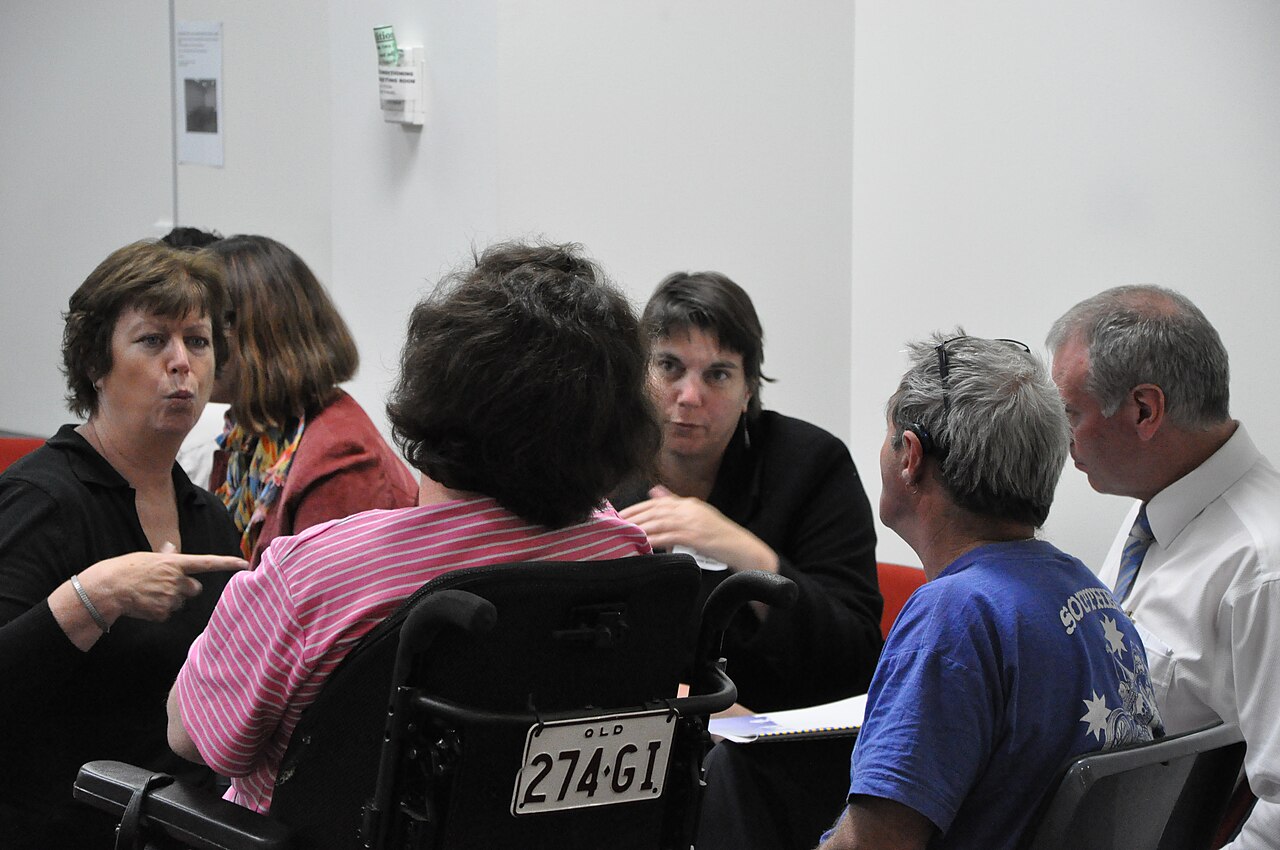
Community engagement is worthwhile when it helps a council understand the consequences of a choice and shows residents how their input affected that choice. A survey response count alone does not establish either result. In NSW, the Office of Local Government's Integrated Planning and Reporting guidance places engagement at the centre of the Community Strategic Plan and calls for a strategy that identifies stakeholder groups, methods and sufficient time for participation.
Be clear about what is open to influence
Before inviting comment, write a one-page decision brief. Explain the issue, the options, constraints, timetable and who will decide. Separate matters that can change from those fixed by law, safety or available funding. If residents are asked for ideas after the preferred option is already effectively locked in, the process will create frustration and weak evidence.
A town centre upgrade illustrates the difference. Council might not be able to move the project outside an approved budget, but it may be able to change crossing priorities, seating locations or the construction sequence. Tell people exactly where their input can affect design. The question then becomes more useful than a general request to "have your say".
Plan for people who are least likely to attend
Map the people affected, not only the organisations already on the council's mailing list. Consider residents with disability, younger people, renters, local businesses, people with limited English, people without reliable internet and those who use a service at unusual hours. Choose channels accordingly: accessible online material, printed information, short interviews at service locations, translated summaries, meetings at different times and direct outreach through trusted local groups.
The goal is not to run every channel for every project. It is to identify whose perspective is missing and select methods that can reach them. The Australian Human Rights Commission's digital accessibility guidance is useful when engagement relies on websites, forms or digital documents.
Turn comments into a decision record
As submissions arrive, group them by issue and location while keeping significant minority views visible. Distinguish a preference from evidence about an impact. A clear report might show: the concern raised, the evidence considered, the change made or not made, and the reason. Decision-makers should be able to see both the overall pattern and the trade-offs that a simple percentage would hide.
For example, a majority may support a park path while a smaller group identifies a serious access barrier in the proposed route. The response should address the barrier on its merits, not dismiss it because fewer people raised it. Keep a record of the consultation method and known participation gaps so decision-makers understand the limits of the evidence.
Close the loop after the decision
Publish a short, readable "you said, we considered, we decided" account. Use plain language and show the changed design or policy where possible. Explain why suggestions that could not be adopted were not taken forward. Then tell participants when delivery will occur and where to see progress. This matters for trust: people are more likely to engage again when they can trace their contribution through to an outcome.
Questions for an engagement plan
- What decision is being made, and what can public input change?
- Who bears the impact, and whose voice is currently missing?
- Which methods suit those groups and the available time?
- How will submissions be analysed fairly and recorded?
- How will council explain the final decision and later progress?
Measure the quality of reach and influence, not only the number of responses. A smaller process that uncovers a previously unseen impact can improve a decision more than a large but unrepresentative poll.