
Emergency readiness 4 min read
Preparing Council Services for the Next Emergency
Build continuity arrangements around critical services, dependencies, decision points and recovery exercises.
Published
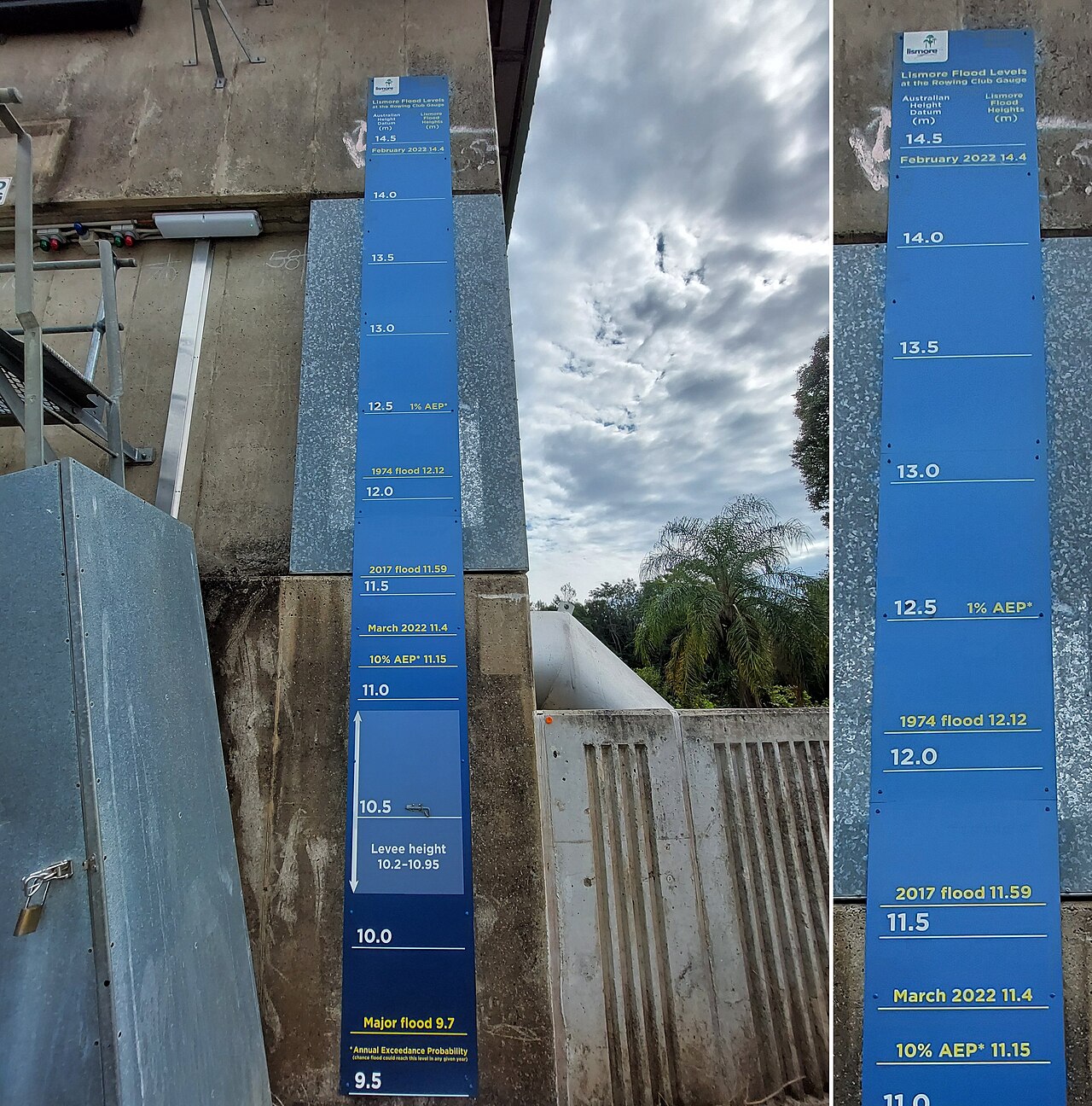
Flood, bushfire, heat, storm and cyber disruption can all interrupt council services. Emergency readiness is stronger when it distinguishes the council's role in local emergency arrangements from the work needed to keep its own essential services running. The NSW Government's emergency management governance overview sets out the broader system, while the NSW Audit Office's natural disasters work discusses council preparedness and the role councils play alongside other agencies.
Name the services that must continue
Start with a short list of critical services: access to roads and bridges, waste collection, water or sewerage where council is responsible, animal management, customer information and support for emergency operations. For each, set a minimum viable service level and the maximum interruption council can tolerate. This turns a general continuity plan into concrete choices.
Map the dependencies behind each service. A waste collection route may rely on fuel, vehicles, drivers, road access, a depot, a contractor and communications. A customer contact centre may rely on electricity, telephony, data, trained staff and an approved source of public information. The loss of one shared dependency can disable several services at once.
Plan decisions before the pressure arrives
Identify who can activate a continuity arrangement, redirect staff, authorise emergency spending and approve public messages. Record alternates in case the usual decision-maker is unavailable. Keep supplier and agency contacts current. The plan should be short enough to use during an event and detailed enough to show the first actions for each service.
Consider a flood warning that may close two local bridges. A useful exercise asks when inspections begin, which routes must be checked, how waste and home-care services are rerouted, who updates the website and how information from emergency agencies is verified. The point is to expose decisions and hand-offs before the water rises, not to predict every flood path.
Practise with partners and with staff
Council does not manage every hazard alone. Local emergency arrangements involve emergency service agencies and other public bodies. Training should clarify when council leads a service response, when it supports a combat agency and where staff receive authoritative situation information. The OLG's planning handbook also explains why emergency and recovery planning should inform council resource choices.
Run tabletop exercises for executives and service managers, then test practical elements separately: can the depot operate from another site, can a supplier be reached after hours and can the website publish an accessible update from a backup connection? Record failures without treating the exercise as a performance theatre. Assign each correction an owner and due date.
Include recovery from the outset
Response ends, but the service backlog and community impacts remain. Prepare a method to record asset damage, urgent expenditure, service interruptions and resident requests. Decide how temporary repairs will be assessed before permanent renewal work is approved. After the event, compare the plan with what occurred and update both continuity procedures and the asset and workforce plans.
A 30-minute readiness review
- Can each critical service name its minimum level and key dependencies?
- Are activation authorities and alternates clear?
- Have staff and suppliers been tested against an after-hours scenario?
- Can council publish consistent, accessible updates when systems fail?
- Is there a process for damage evidence, cost records and recovery priorities?
An emergency plan earns its value when people can use it to make the next decision, even when the usual people, places or systems are unavailable.