
Accessible services 4 min read
Inclusive Council Services Across Buildings and Digital Channels
Make access a design requirement in customer journeys, facilities, documents and online services.
Published
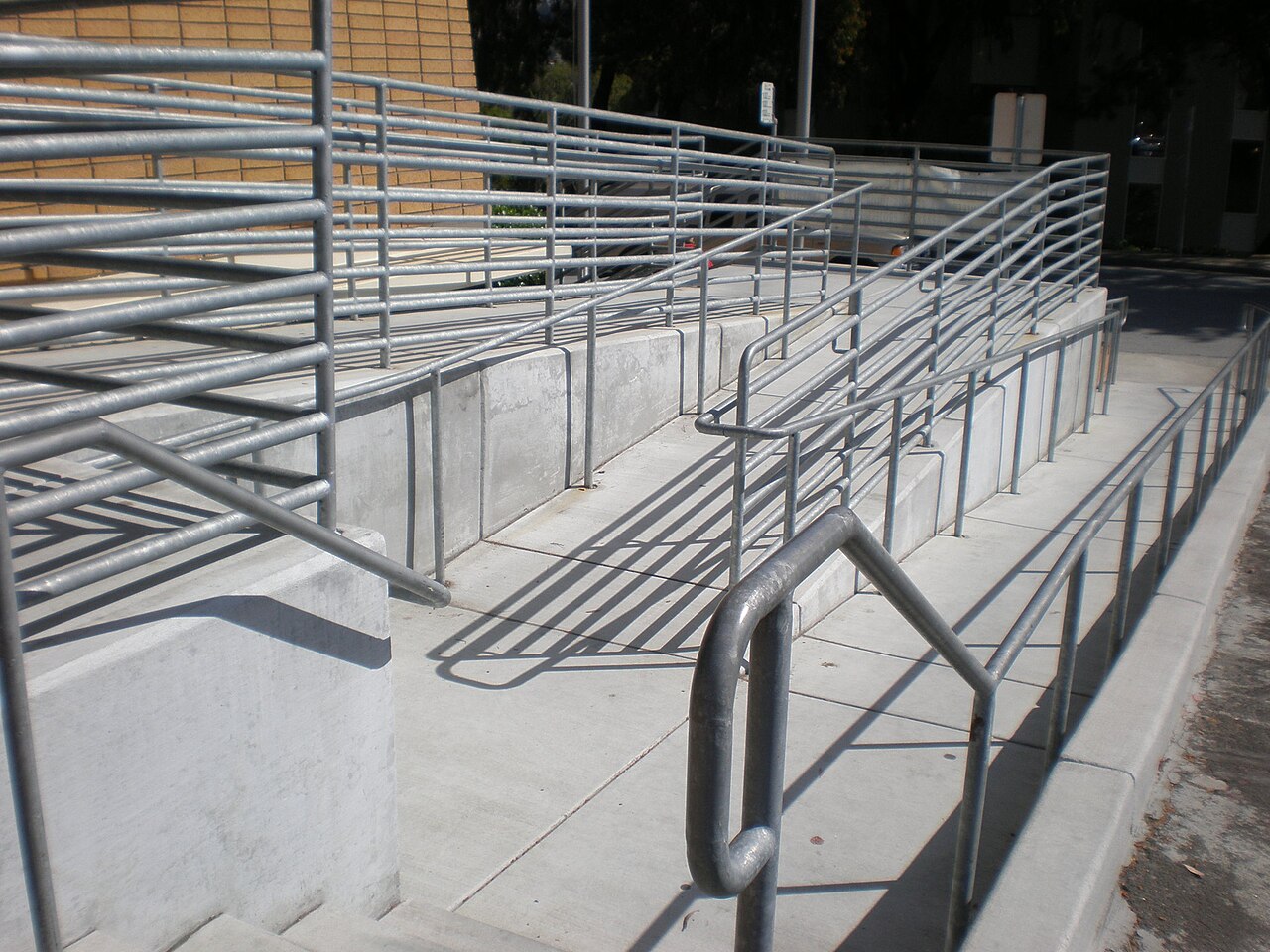
A council service may begin on a website, continue at a counter and end in a public building. Access can fail at any hand-off. A readable form is little help if the appointment venue cannot be reached; a ramp is little help if the only booking method is an inaccessible digital form. The Australian Human Rights Commission's 2025 guidance on equal access to digital goods and services provides a current framework for digital accessibility, while practical service design must also consider physical, communication and staff interactions.
Map the complete customer journey
Choose a common task, such as applying for a library membership, reporting a footpath defect or booking a community venue. Walk through discovery, eligibility, application, payment, confirmation, attendance and follow-up. At each step ask what happens for a person using a screen reader, someone who cannot travel easily, someone with limited English or someone without reliable internet access. This exposes barriers that a single website audit or building inspection may miss.
Record the barrier, its effect and the team that can fix it. A PDF with no usable headings may be a communications issue. A booking form that times out quickly may be a software procurement issue. A counter with no private space for a sensitive enquiry may be a facilities and service design issue. Treat these as connected parts of a service, not separate complaints.
Give people a reliable alternative
Offer more than one usable route when possible: online, phone and in-person support. An alternative must reach the same service standard, not become a slower queue with less information. Staff should know how to help someone complete a task without taking control away from them. Plain-language instructions, clear status messages and accessible documents benefit many residents, including people who do not identify as having a disability.
The NSW Integrated Planning and Reporting framework links community planning with principles of equity, access, participation and rights. Inclusive service design is one way those principles become visible in daily interactions.
Build access into procurement and maintenance
When buying a digital service, ask suppliers to demonstrate accessibility with real tasks and assistive technologies, not just declare compliance in a tender response. Include remediation responsibilities, testing and staff training in the contract. For physical works, consider the route from transport or parking to the service point, signage, seating, lighting and maintenance. A well-designed ramp that is blocked by stored equipment is no longer an accessible route.
The Commission's implementation guidance recommends considering accessibility through the development and procurement cycle. The same principle applies to council operations: assign an owner who will keep access working after launch.
Test with people who use the service
Bring residents and staff with different access needs into design and testing. Ask them to complete a real task, observe where they stop and pay for their time where appropriate. Do not ask one participant to represent every disability or circumstance. Combine user testing with technical checks, staff feedback and complaint patterns. Publish a simple channel for reporting an access problem and tell the person how the issue will be resolved.
A service access review
- Can a resident find the service and understand what is required?
- Can they complete it through at least one accessible channel?
- Do buildings, documents, forms and staff hand-offs support the same outcome?
- Are suppliers and internal owners accountable for fixing barriers?
- Has the full journey been tested with people who use different access methods?
Inclusive services are built through repeated observation and correction. The goal is not a perfect launch claim, but a service people can actually use and a council that can respond when it falls short.