
Infrastructure 4 min read
Asset Management That Connects Condition Data to Service Levels
Use asset evidence, community expectations and whole-of-life costs to choose maintenance and renewal work.
Published
Residents experience assets as services: a road that is passable after rain, a safe playground, a reliable stormwater network and a library that can open. Asset management is the discipline of deciding what level of service council can sustain, what risks it will accept and which maintenance or renewal work has the greatest value. Under the NSW Integrated Planning and Reporting framework, asset planning sits in the Resourcing Strategy alongside long-term financial and workforce planning.
Begin with the service promise
An asset register is necessary but does not tell the whole story. Start by defining the service outcome for each asset class: road accessibility, drainage performance, building usability or park safety. Then set measures that residents and crews can understand. A road condition score matters because it helps predict ride quality, safety, maintenance demand or future cost, not because the number looks precise in a spreadsheet.
Ask communities about acceptable service levels when choices involve visible trade-offs. The Office of Local Government's planning guidance links community aspirations to delivery plans and the resources needed to achieve them. A promise to maintain every asset at the highest standard is not credible unless the funding, people and future renewal costs are also shown.
Improve the evidence before ranking projects
For each major asset group, check inventory completeness, location, age, condition, criticality and expected renewal need. Record confidence in the data. If inspections have not covered remote culverts or minor bridges, a ranking model may favour the assets with the best records rather than those with the greatest risk. Use field crews' knowledge to flag gaps, but validate it before committing large expenditure.
The NSW Audit Office's review of road asset management highlights the importance of sound governance, maintained asset information and clear planning. Its findings are a reminder that asset data quality is a management issue, not merely a technical one.
Compare options across the asset's life
A renewal proposal should describe more than capital cost. Compare at least three options where practical: maintain the existing asset, renew it to the current standard, or change the service approach. Consider future maintenance, operating costs, disruption during works, climate exposure, safety and the consequences of deferral. A cheaper first-year option may create higher whole-of-life cost; an expensive upgrade may be unnecessary if a smaller intervention can meet the service need.
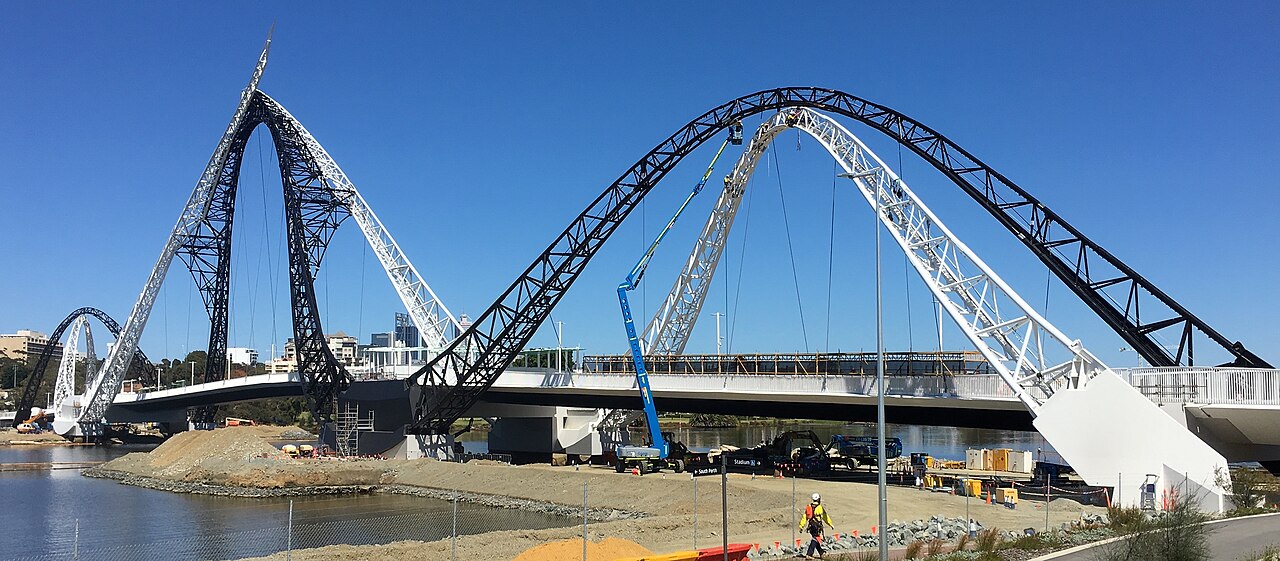
For a bridge approaching the end of its expected life, the decision might involve load restrictions, targeted strengthening, replacement or a changed route. The choice depends on users, alternative access, failure consequence, condition evidence and affordability. A transparent decision record should show those trade-offs rather than only the engineering recommendation.
Connect the plan to annual work
Asset plans should translate into the Delivery Program, Operational Plan and budget. Name the owner of each maintenance or renewal action, the trigger for revisiting it and the measure that will show whether the service level is holding. When emergency repairs repeatedly displace planned maintenance, investigate whether the forecast or the funding strategy is wrong. Field defects, complaints and inspection results should feed back into the asset data.
A useful renewal brief asks
- What service does this asset provide, and to whom?
- How reliable are the condition and usage data?
- What happens if the work is deferred?
- Which options were compared on whole-of-life cost and risk?
- How does the preferred option fit the long-term financial and workforce plans?
- What result will be measured after delivery?
Good asset management makes the link between physical condition, community benefit and financial reality visible before a project is approved.